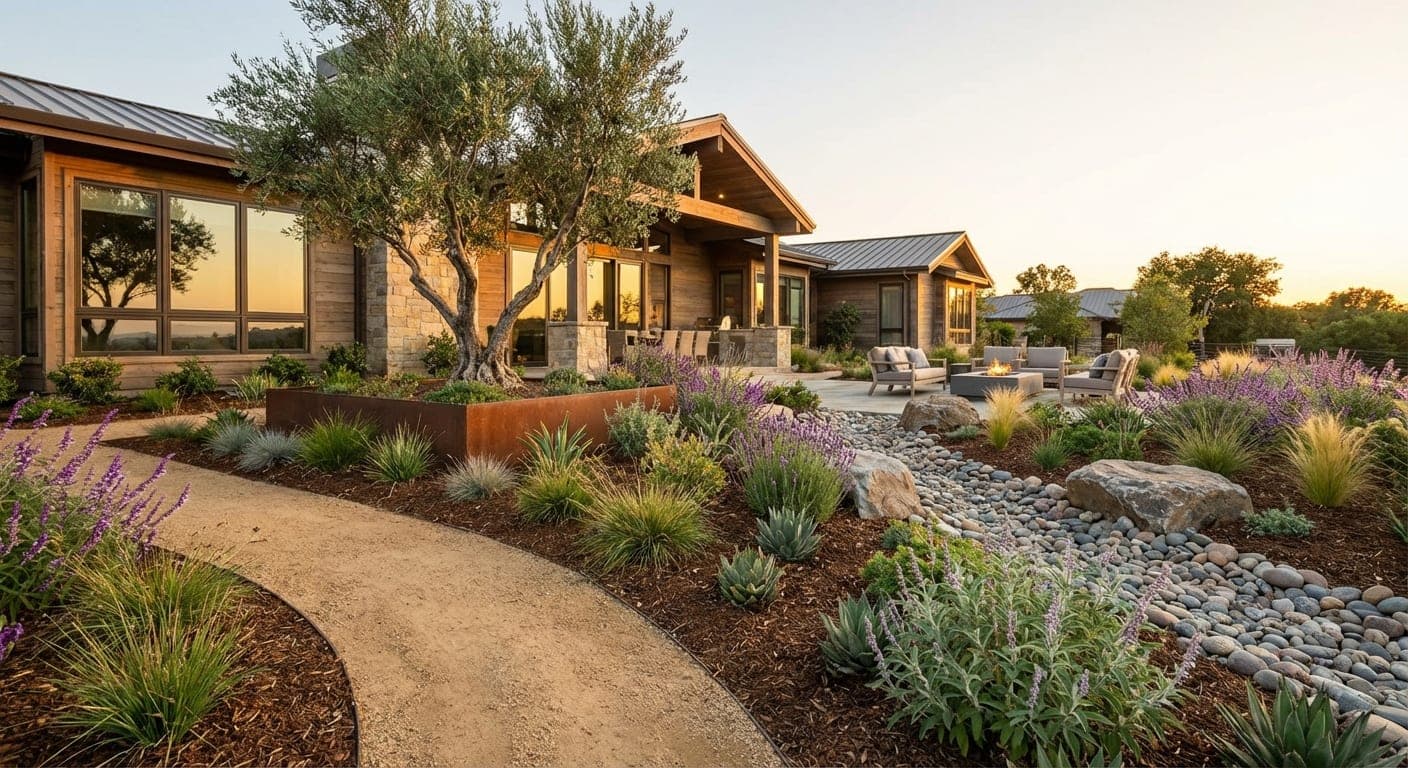
In the evolving landscape of modern construction and property development, client expectations are shifting. Sustainability, efficiency, and aesthetics are no longer mutually exclusive; they are sought-after features that add significant value. For contractors and landscape professionals, understanding and implementing drought-tolerant landscaping trends isn't just about being eco-conscious – it's about meeting client demand, reducing long-term costs, and delivering stunning, resilient outdoor spaces.
As water resources become a growing concern in many regions, clients are increasingly looking for landscapes that are not only beautiful but also sustainable and easy to maintain. Embracing these trends allows you to differentiate your services, provide innovative solutions, and ensure your projects stand the test of time, even in challenging climates. Here are 10 drought-tolerant landscaping trends that clients absolutely love, offering both aesthetic appeal and practical benefits.
1. The Rise of Xeriscaping Principles
Xeriscaping isn't just about gravel and cacti; it's a comprehensive approach to water-efficient landscaping that focuses on smart design, appropriate plant selection, efficient irrigation, soil improvements, mulching, and thoughtful maintenance. Clients appreciate the holistic approach that guarantees a beautiful, low-water garden.
- Client Benefit: Significantly reduced water bills, minimal maintenance, and a resilient landscape that thrives with less intervention.
- Practical Advice: Educate clients on the seven principles of xeriscaping. Start with proper site analysis to zone plants based on their water needs.
2. Embracing Native and Adapted Plants
Native plants are naturally suited to the local climate and soil conditions, requiring less water, fertilizer, and pest control. Adapted plants are non-native species that have proven to thrive in similar conditions. Their natural beauty and resilience are a huge draw.
- Client Benefit: A landscape that looks natural, supports local wildlife, and is incredibly low-maintenance once established.
- Practical Advice: Partner with local nurseries specializing in native species. Always consider the mature size of plants to avoid overcrowding and future maintenance issues.
3. Striking Succulents and Cacti Displays
Beyond the traditional desert look, succulents and cacti come in an incredible array of shapes, sizes, and colors, making them highly versatile for modern, minimalist, or vibrant designs. They are perfect for containers, rock gardens, and groundcover.
- Client Benefit: Unique, architectural beauty with virtually no watering requirements (after establishment) and fascinating visual interest year-round.
- Practical Advice: Ensure excellent drainage. Incorporate them into mixed beds with other drought-tolerant plants for texture and contrast.
4. Thoughtful Hardscaping and Permeable Surfaces
Integrating features like patios, walkways, retaining walls, and decorative rock gardens reduces the need for thirsty lawns. Permeable pavers and gravel paths also allow rainwater to soak into the ground, recharging groundwater and reducing runoff.
- Client Benefit: Functional outdoor living spaces, reduced water usage, and enhanced property value through durable, low-maintenance elements.
- Practical Advice: Use locally sourced stone and aggregates where possible to reduce environmental impact and material costs. Prioritize good base preparation for longevity.
5. Efficient Drip Irrigation and Smart Controllers
Gone are the days of wasteful sprinklers. Drip irrigation delivers water directly to the plant roots, minimizing evaporation. Smart controllers use weather data and soil moisture sensors to water only when necessary, preventing overwatering and waste.
- Client Benefit: Significant water savings, healthier plants, and hands-free operation with optimal water delivery.
- Practical Advice: Design drip systems in zones based on plant water needs. Integrate smart controllers that can be managed remotely via apps for added convenience.
6. Decorative Gravel and Mulch for Water Retention
Replacing turf grass with decorative gravel, decomposed granite, or organic mulches like wood chips is a game-changer. These materials retain soil moisture, suppress weeds, and add textural interest to the landscape.
- Client Benefit: Reduced watering, fewer weeds, and a clean, polished look that can be customized with various colors and textures.
- Practical Advice: Apply mulch in a 2-4 inch layer, keeping it away from plant stems. Use a permeable weed barrier underneath gravel for best results.
7. Drought-Tolerant Groundcovers as Lawn Alternatives
For clients who still desire a green carpet but want to ditch the traditional lawn, drought-tolerant groundcovers like sedum, creeping thyme, or specific varieties of tough fescue offer appealing alternatives. Many require less mowing and far less water.
- Client Benefit: A green, living carpet without the intensive water and maintenance demands of traditional turf.
- Practical Advice: Research local groundcover options suitable for light traffic, if desired. Prepare the soil thoroughly before planting for quick establishment.
8. Rainwater Harvesting Solutions
Installing rain barrels or larger cisterns to collect rainwater from rooftops provides a free, natural water source for landscape irrigation. This practice significantly reduces reliance on municipal water supplies.
- Client Benefit: Reduced water bills, environmental responsibility, and a backup water source during dry periods or watering restrictions.
- Practical Advice: Integrate rain barrels aesthetically into the home's exterior. Ensure proper overflow management to prevent erosion or foundation issues.
9. Outdoor Lighting to Highlight Drought-Tolerant Features
While not directly water-saving, strategic outdoor lighting enhances the beauty and safety of drought-tolerant landscapes, extending their enjoyment into the evening hours. LED lighting is particularly efficient and low-maintenance.
- Client Benefit: Increased property appeal, extended usability of outdoor spaces, and added security, all while highlighting the unique textures and forms of their low-water plants.
- Practical Advice: Focus on accent lighting to draw attention to specimen plants or architectural hardscape features. Use low-voltage LED fixtures for energy efficiency.
10. Edible Drought-Tolerant Gardens
Clients are increasingly interested in "grow your own" trends. Many herbs, some vegetables (like certain peppers, beans), and fruit trees (olives, pomegranates) are surprisingly drought-tolerant once established, offering both beauty and bounty.
- Client Benefit: Fresh, homegrown produce, an attractive and functional garden, and a sense of self-sufficiency.
- Practical Advice: Research edible plants suitable for your region's climate. Incorporate raised beds for better soil control and drainage, especially for edibles.
By integrating these ten drought-tolerant landscaping trends into your project proposals, you’re not just offering a service – you’re providing a forward-thinking, sustainable solution that resonates with modern client values. These approaches demonstrate your commitment to innovation, environmental stewardship, and delivering lasting beauty and value, positioning you as a leader in contemporary landscape design.