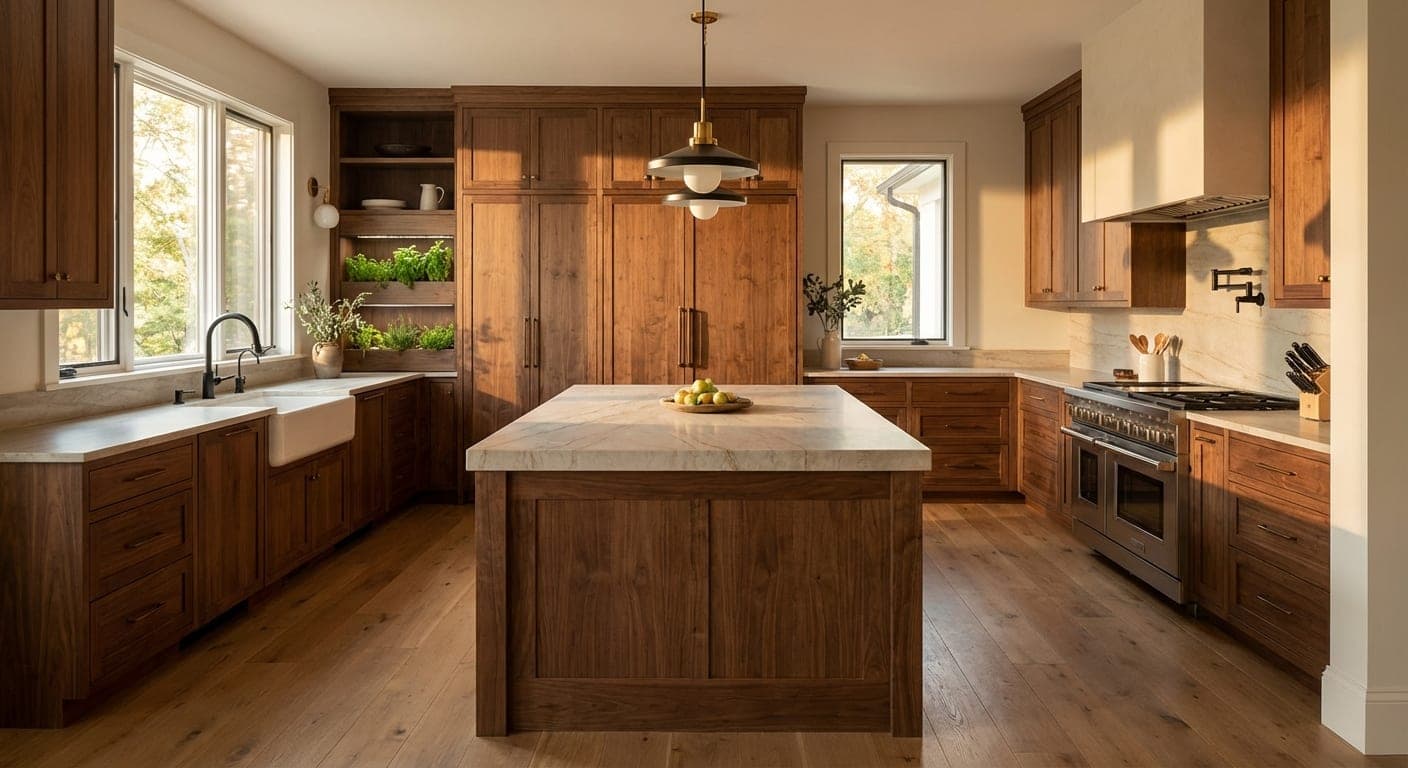
As construction and renovation professionals, staying ahead of the curve is not just an advantage—it's a necessity. Homeowners are increasingly sophisticated in their design aspirations, constantly influenced by social media, design shows, and a desire for spaces that reflect their unique lifestyles. For 2025, kitchen trends point towards a blend of innovative technology, sustainability, personalization, and multi-functional design. Understanding these evolving demands will allow you to not only meet but exceed client expectations, securing more projects and solidifying your reputation.
Trend 1: Smart & Integrated Technology
The "smart home" concept is no longer a futuristic novelty; it's a present-day expectation, especially in the kitchen. Homeowners are seeking seamless integration of technology that simplifies their lives and enhances efficiency.
- Invisible Tech: Appliances that blend into cabinetry, touch-activated faucets, under-cabinet charging stations, and smart lighting systems that adapt to time of day or activity.
- Hyper-Connected Appliances: Refrigerators that track inventory, ovens controllable via smartphone, and integrated coffee makers or water dispensers.
- Energy Efficiency: Smart appliances with energy-saving modes are highly desirable, appealing to both convenience and environmental consciousness.
Practical Advice for Contractors: Advise clients on pre-wiring and dedicated circuits during the planning phase. Collaborate with electricians early to ensure proper infrastructure for future-proofed technology. Consider offering consultations with smart home specialists to provide comprehensive solutions.
Trend 2: Sustainable & Natural Materials
Eco-consciousness continues to drive material choices. Homeowners are increasingly asking for kitchens that are not only beautiful but also kind to the planet and promote a healthy living environment.
- Reclaimed & Recycled: Wood salvaged from old buildings, recycled glass countertops, and upcycled materials add character and reduce environmental impact.
- Low-VOC Finishes: Paints, sealants, and adhesives with low volatile organic compounds are crucial for improved indoor air quality.
- Durable & Long-Lasting: Investment in materials like natural stone, solid wood, and high-quality metals that stand the test of time, reducing the need for frequent replacements.
- Local Sourcing: An increased interest in materials sourced locally to reduce carbon footprint and support local economies.
Practical Advice for Contractors: Build relationships with suppliers offering certified sustainable products. Educate clients on the long-term benefits of durable and eco-friendly choices, framing them as an investment in their home's value and their family's well-being.
Trend 3: Personalized & Layered Design
Gone are the days of sterile, uniform kitchens. Homeowners want spaces that tell a story, reflecting their individual tastes and passions. This translates to mixing styles, textures, and finishes.
- Custom Cabinetry: Unique storage solutions, bespoke island designs, and personalized hardware choices are paramount.
- Mixed Metals & Finishes: Brass, matte black, and brushed nickel hardware coexisting, often paired with different wood tones or painted finishes.
- Statement Pieces: A unique lighting fixture, an artisan-crafted tile backsplash, or a boldly colored appliance can serve as a focal point.
- Curated Aesthetics: A blend of vintage finds with modern elements, creating a "collected over time" feel rather than a single showroom look.
Practical Advice for Contractors: Encourage clients to share inspiration images. Offer a wide range of samples and options for customization. Collaborate closely with interior designers if the client has one, or be prepared to guide them through diverse material and finish selections.
Trend 4: Flexible & Multi-functional Layouts
The kitchen has truly become the heart of the home, serving multiple purposes beyond just cooking. Homeowners need layouts that adapt to entertaining, working, and family life.
- Hidden Workspaces: Integrated desk areas or "appliance garages" that conceal small appliances or even a laptop workstation when not in use.
- Breakfast & Coffee Stations: Dedicated zones for morning routines, often tucked away or designed for quick access.
- Generous Islands: Islands are evolving to include more seating, storage, and even prep sinks, making them versatile hubs.
- Open Shelving & Display Nooks: While not fully open concept, controlled open shelving for displaying curated items offers visual interest and accessibility.
Practical Advice for Contractors: Think beyond traditional kitchen layouts. Discuss with clients their daily routines and how they use their kitchen space. Propose flexible design elements, such as roll-out carts or convertible surfaces, that maximize utility.
Trend 5: Warm & Earthy Color Palettes
While white kitchens will always have a place, 2025 sees a strong pivot towards warmer, more inviting color schemes. Homeowners are seeking comfort and sophistication.
- Deep Greens & Blues: Forest green, sage, and various shades of navy bring a sense of calm and connection to nature.
- Earthy Neutrals: Muted grays, warm beige, terracotta, and soft browns are replacing stark whites and cool grays, creating a cozy atmosphere.
- Wood Tones: Embracing natural wood finishes, from light oaks to rich walnuts, adds warmth and texture.
- Black Accents: Used strategically in hardware, lighting, or a feature wall for a sophisticated, grounding effect.
Practical Advice for Contractors: Keep a diverse range of paint and cabinet finish samples on hand. Suggest combining warm colors with natural wood elements for a balanced and inviting look. Understand that clients are looking for kitchens that feel lived-in and comfortable, not just showroom-ready.
Trend 6: Elevated Storage Solutions
With a move towards minimalist aesthetics and functional efficiency, storage is no longer an afterthought but a central design element.
- Smart Pantry Systems: Walk-in or pull-out pantries with custom shelving, integrated lighting, and designated zones for different food types.
- Drawer Organizers: Custom inserts for cutlery, spices, and plates, maximizing every inch of drawer space.
- Vertical Storage: Floor-to-ceiling cabinetry, often with hidden step stools or pull-down shelves, to utilize vertical space effectively.
- Dedicated Appliance Storage: Cabinets designed specifically to house stand mixers, blenders, or even air fryers, keeping countertops clutter-free.
Practical Advice for Contractors: Showcase innovative storage options during client consultations. Present these solutions not just as practical additions but as integral components of a streamlined and elegant kitchen design. Highlighting how these solutions simplify daily life can be a significant selling point.
By understanding and proactively addressing these emerging kitchen trends for 2025, you can position your business as a leader in innovative and client-focused design and construction. Offer personalized solutions, educate on sustainable choices, and embrace technology, and you'll be building kitchens that homeowners truly love and that stand the test of time.