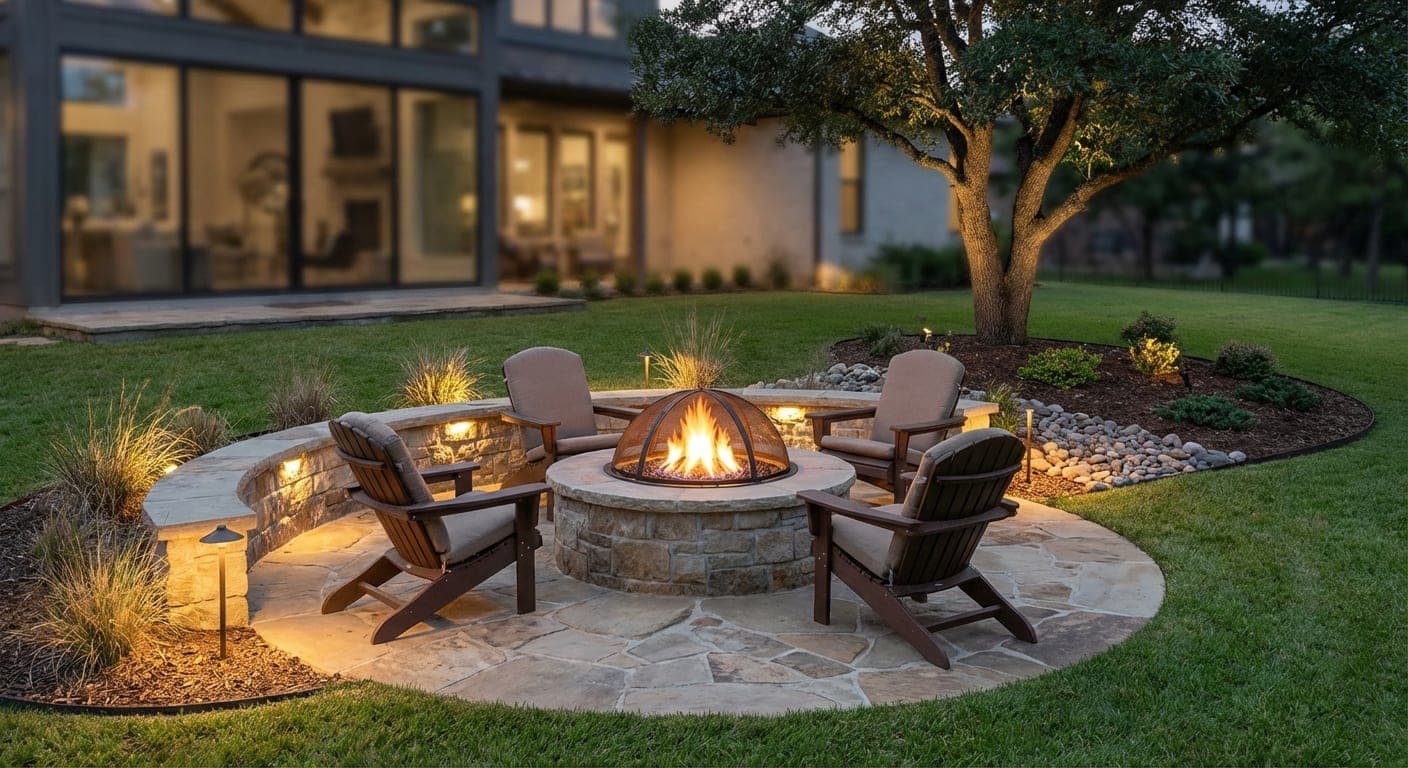
The Heat Is On: Mastering Fire Pit Safety and Design for Contractors
Fire pits have become a quintessential element in modern landscape design, offering warmth, ambiance, and a compelling gathering point for outdoor living spaces. For contractors and landscape professionals, incorporating these features means more than just aesthetic appeal; it involves a deep understanding of safety protocols and robust design principles. As demand for sophisticated outdoor amenities grows, ensuring every fire pit installation is not only beautiful but also unequivocally safe is paramount to client satisfaction and your professional reputation.
Safety First: Non-Negotiable Principles
The primary concern for any fire pit project must be safety. Ignoring critical safety measures can lead to property damage, injury, or worse. As professionals, we carry the responsibility to educate and implement best practices.
- Location, Location, Location: Always ensure adequate clearance from combustible structures, low-hanging branches, fences, and any other flammable materials. A general rule of thumb is at least 10-25 feet, but always verify local codes, which can mandate greater distances. Consider prevailing wind direction to minimize smoke drift towards homes or neighbors.
- Non-Combustible Zones: The area immediately surrounding the fire pit should be constructed from non-combustible materials like concrete pavers, gravel, natural stone, or brick, extending several feet beyond the pit's edge. This creates a buffer zone against errant sparks.
- Proper Ventilation (Gas Pits): For gas-powered fire pits, proper ventilation is crucial to prevent gas buildup within the enclosure, which can be extremely dangerous. Ensure adequate openings in the base structure for continuous air circulation, typically two opposing vents.
- Fuel Type Specificity: Design specific pits for their intended fuel source. Wood-burning pits require larger, deeper basins and must accommodate spark screens. Gas pits require careful plumbing and burner installation suitable for natural gas or propane. Never design a pit to accommodate mixed fuel types or encourage the burning of inappropriate materials (e.g., trash, treated lumber).
- Local Codes & Permitting: This is non-negotiable. Research and adhere to all local building codes, fire department regulations, homeowner association (HOA) guidelines, and permitting requirements. These can vary significantly by municipality and dictate setbacks, size restrictions, and fuel type allowances.
Design Elements for Enhanced Safety and Aesthetics
Safety and design are not mutually exclusive. Thoughtful design integrates safety seamlessly, enhancing both function and form.
- Size and Scale: The fire pit's size should be proportionate to the surrounding space and anticipated user group. A large pit in a small yard can be overwhelming and unsafe, while a tiny pit in a vast space loses its impact. Ensure comfortable arm's length reach for tending fires, without being too close to the flame.
- Material Selection: Opt for heat-resistant, durable materials such as concrete, natural stone, fire-rated brick, and heavy-gauge steel. Avoid materials that can crack or explode under extreme heat, like certain types of ceramic tile, thin-set mortar directly exposed to flame, or river rocks (which can contain moisture and burst).
- Effective Drainage: For wood-burning pits, integrate a drain hole at the base to prevent water accumulation, which can cause rusting, make future fires difficult to start, and potentially crack masonry if water freezes. For gas pits, ensure the burner system is protected from moisture infiltration.
- Seating & Proximity: Design seating areas that are comfortably distant from the flames, preventing accidental burns while still allowing users to enjoy the warmth. A typical safe distance for seating is 24-36 inches from the inside edge of the fire pit. Consider built-in benches with non-combustible surfaces or dedicated space for movable, fire-resistant chairs.
- Ignition & Control (Gas Pits): For gas fire pits, recommend reliable ignition systems (e.g., manual key valve, push-button spark igniter, or fully electronic ignition with flame sensing) and ensure readily accessible, clearly labeled shut-off valves for safety.
- Safety Accessories: Always include provisions for essential safety accessories. For wood pits, a sturdy, fine-mesh spark screen is vital. For all pits, recommend durable covers to protect burners/interiors from weather and debris, and advise clients on the use of heat-resistant gloves and fire extinguishers.
Material Matters: Building to Last
The longevity, safety, and aesthetic appeal of a fire pit heavily depend on the materials chosen. Educate clients on the best options.
- Concrete & Masonry: Poured concrete, concrete blocks, bricks, and natural stone (e.g., granite, basalt, travertine) are excellent choices for their durability, heat resistance, and versatility. Ensure proper footings and mortar joints for structural stability and longevity. Use fire-rated refractory cement or mortar for the interior firebox.
- Metal: Corten steel (weathering steel) or heavy-gauge stainless steel offer modern aesthetics and excellent heat resistance, often used for inserts, standalone fire bowls, or decorative accents. Ensure appropriate gauge to prevent warping and rust-proof properties where applicable.
- Fire Media (Gas Pits): When using gas fire pits, recommend fire glass or lava rock. Both are excellent at radiating heat, but ensure they are specifically rated for fire pit use to prevent cracking, dangerous off-gassing, or discoloration. Lava rock is more porous and can hold moisture, while fire glass offers a sleeker, contemporary look.
Gas vs. Wood-Burning: A Contractor's Choice
Each type of fire pit presents unique design and safety considerations that influence your recommendations and installation process.
- Wood-Burning Pits: Offer the authentic crackle, aroma, and large flame of a traditional campfire. They require larger clearances, spark screens, and a convenient, safe, and dry storage area for firewood. Emphasize proper ash disposal in a metal container away from combustibles.
- Gas Fire Pits: Provide instant on/off convenience, cleaner burning with less smoke and ash, and often require less ongoing maintenance. They necessitate careful planning for gas line installation (natural gas or propane tanks), adequate ventilation, and reliable ignition systems. The visual appeal often comes from decorative fire media.
Maintenance and Longevity: A Client Hand-Off
Educate clients on proper care to ensure their fire pit remains safe and beautiful for years, fostering long-term satisfaction.
- Regular Inspection: Advise clients to inspect the pit for cracks in masonry, loose stones, burner issues, or gas leaks (for gas pits) before each use.
- Cleaning: For wood pits, regular ash removal is critical. For gas pits, periodic cleaning of burner ports and fire media prevents blockages and ensures efficient operation.
- Winterization & Protection: Recommend durable, weather-resistant covers to protect the fire pit against harsh elements, especially in colder climates. For gas lines, ensure clients know how to shut off the main supply and understand proper propane tank handling.
Conclusion
Building a fire pit goes beyond merely constructing a structure; it's about crafting an experience that prioritizes safety, durability, and enjoyment. As trusted contractors, your commitment to adhering to industry best practices, understanding local regulations, and selecting appropriate, high-quality materials will not only safeguard your clients and their property but also solidify your reputation as a leader in innovative and responsible landscape design. Every glowing ember should be a testament to thoughtful design and unwavering commitment to safety.