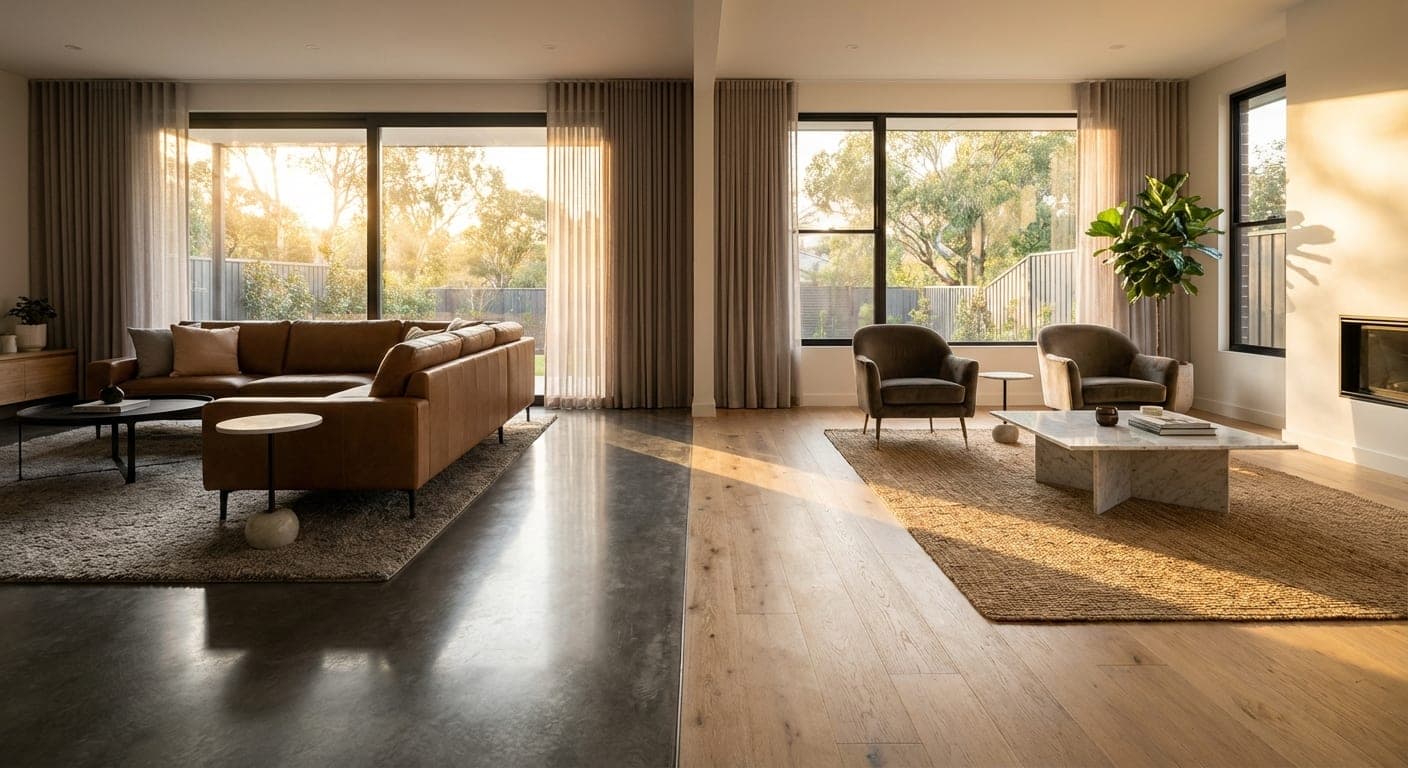
Flooring Trends: Striking the Balance Between Durability and Style
In the dynamic world of construction and interior design, flooring is rarely just a utilitarian choice. It's a foundational element that dictates the tone, functionality, and longevity of any space. For contractors and remodelers, guiding clients through the myriad of options means navigating a perpetual dilemma: how do we achieve the stunning aesthetics clients crave without compromising the robust durability their projects demand? This isn't just about selecting a pretty finish; it's about delivering lasting value, reducing callbacks, and ensuring client satisfaction for years to come.
The Imperative of Durability: Building to Last
Durability in flooring isn't a luxury; it's a necessity, especially in high-traffic commercial settings or busy residential homes. A durable floor resists wear and tear, stands up to spills, scratches, and heavy loads, and maintains its appearance over time. Prioritizing durability translates directly into:
- Reduced Lifecycle Costs: Fewer repairs, replacements, and less intensive maintenance save clients money in the long run.
- Enhanced Client Satisfaction: A floor that looks good and performs well for decades is a testament to quality craftsmanship.
- Minimizing Callbacks: Proper material selection for the application reduces issues like premature wear, warping, or cracking.
- Protecting the Investment: Flooring represents a significant portion of an interior budget; it must be built to withstand its intended use.
Key Durable Materials to Consider:
- Porcelain Tile: Extremely hard-wearing, water-resistant, and scratch-resistant, making it ideal for kitchens, bathrooms, and high-traffic commercial areas. Modern porcelain can mimic almost any natural material.
- Luxury Vinyl Tile (LVT) and Luxury Vinyl Plank (LVP): A true game-changer, LVT/LVP offers excellent resistance to water, scratches, and dents. Its layered construction, especially commercial-grade options, provides exceptional resilience and stability.
- Polished Concrete: Highly durable, low-maintenance, and increasingly popular for its modern industrial aesthetic. Suitable for both commercial and certain residential applications.
- Engineered Hardwood (with robust finishes): While solid hardwood is classic, high-quality engineered options with durable top coats offer greater stability in fluctuating humidity and can withstand more traffic than many realize.
- Rubber Flooring: Excellent for gyms, utility rooms, or specific commercial applications requiring high impact resistance and comfort underfoot.
The Allure of Style: Design That Dazzles
While functionality is paramount, style is what captivates clients and breathes life into a space. Current flooring trends reflect a desire for natural beauty, sophisticated textures, and a seamless blend with overall design themes. Staying abreast of these trends allows you to offer compelling options that enhance property value and meet contemporary aesthetic demands.
Current Style Trends to Note:
- Natural & Organic Looks: Wood-look and stone-look materials (often LVT/LVP or porcelain) remain incredibly popular, offering warmth and authenticity.
- Large Format Tiles: Both porcelain and ceramic in larger sizes create a sense of expansiveness and fewer grout lines, resulting in a cleaner, more contemporary look.
- Textured Finishes: From wire-brushed hardwood to matte-finish tiles and embossed-in-register LVT, texture adds depth and visual interest.
- Muted Tones & Earthy Palettes: Grays, whites, light browns, and subtle greens provide a versatile foundation for various interior styles.
- Geometric Patterns & Terrazzo Revival: Used as accents or in smaller areas, these bring a playful or vintage-modern touch.
- Sustainable Options: Clients are increasingly seeking eco-friendly materials like bamboo, cork, or reclaimed wood, often paired with stylish, minimalist designs.
Finding the Sweet Spot: Durability Meets Design
The good news is that advancements in manufacturing technology mean that durability and style are no longer mutually exclusive. Here's how to guide your clients to the perfect solution:
1. In-Depth Client Consultation: Understand their lifestyle, budget, and aesthetic preferences. How many people live there? Do they have pets? What's the expected foot traffic? Are they looking for a forever home or a quick flip? This information is crucial for informed recommendations.
2. Zone-Specific Flooring: Not every room demands the same level of durability. Suggesting ultra-durable LVT in kitchens and bathrooms, while opting for a warmer, more style-driven engineered wood or plush carpet in bedrooms and living areas, is a smart strategy.
3. Leverage Advanced Materials: Modern LVT/LVP is arguably the best example of a material that brilliantly marries durability with style. High-definition imaging and embossed textures allow it to replicate natural materials with incredible realism, while its core construction offers unmatched resilience.
4. Consider Maintenance Requirements: A beautiful floor that's a nightmare to clean won't stay beautiful for long. Discuss the maintenance involved with different materials. Easy-to-clean options often mean the floor maintains its aesthetic appeal for longer.
5. Quality of Installation: Even the most durable and stylish material will fail if not installed correctly. Emphasize the importance of professional installation, proper subfloor preparation, and adherence to manufacturer guidelines.
Key Takeaways for Contractors:
- Educate Your Clients: Be the expert who clearly explains the pros and cons of durability vs. style for their specific needs.
- Prioritize Function, Then Form: Always ensure the chosen flooring can withstand its intended application before focusing solely on aesthetics.
- Explore Hybrid Solutions: Don't hesitate to recommend different flooring types for different areas within a single project.
- Stay Updated on Material Innovations: Modern materials like advanced LVT/LVP are bridging the gap between tough performance and stunning looks.
- Emphasize Lifecycle Value: A durable, stylish floor is an investment that pays dividends in longevity and satisfaction.
As contractors, your role is to translate client aspirations into tangible, high-quality results. By mastering the delicate balance between flooring durability and contemporary style, you not only deliver beautiful spaces but also build lasting trust and reputation with every project.