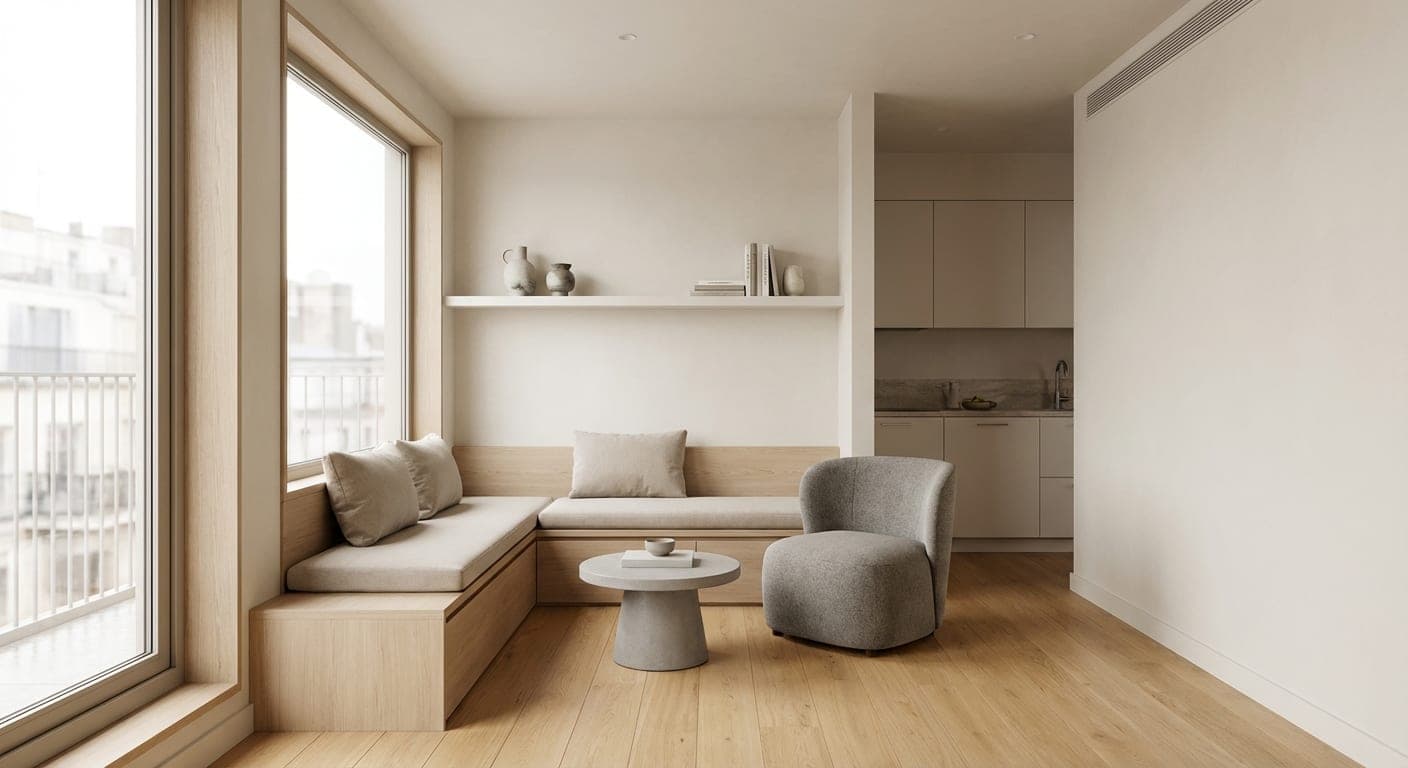
In the world of construction and remodeling, small spaces often present some of the most intricate design challenges. While limitations in square footage can seem daunting, they also offer a unique opportunity to demonstrate ingenuity and deliver exceptional value. This is where minimalist design truly shines, transforming confined areas into highly functional, aesthetically pleasing, and remarkably spacious environments.
Understanding the Essence of Minimalist Design
Often misunderstood as sparse or sterile, true minimalist design is a philosophy centered on simplicity, functionality, and intentionality. It's about stripping away the superfluous to reveal the essential, focusing on quality over quantity, and creating environments that promote clarity and calm. For small spaces, this approach isn't just a style choice; it's a strategic imperative.
From a contractor's perspective, embracing minimalism means a deliberate shift in how we approach material selection, joinery, built-ins, and spatial planning. It's about designing and building spaces that feel expansive, organized, and effortlessly elegant, even when square footage is at a premium.
Why Minimalism is the Master Key for Small Spaces
- Maximizes Perceived Space: Clean lines, uncluttered surfaces, and a well-considered color palette trick the eye into perceiving a larger area.
- Enhances Functionality: Every element serves a purpose. Multi-functional furniture and integrated storage solutions are cornerstones, ensuring every inch is utilized effectively.
- Reduces Visual Clutter: By eliminating unnecessary items and integrating storage seamlessly, visual noise is minimized, creating a more serene and organized atmosphere.
- Optimizes Natural Light: Unobstructed windows and reflective surfaces allow natural light to penetrate deeper, brightening the space and making it feel more open.
- Promotes Durability & Quality: The "less is more" principle often translates to investing in fewer, higher-quality materials and craftsmanship, resulting in more durable and lasting finishes.
Practical Strategies for Contractors: Building Minimalist Small Spaces
Implementing minimalist design requires a thoughtful, integrated approach from the ground up. Here are key areas where your expertise can truly transform a compact footprint:
1. Strategic Spatial Planning & Layout
- Open Concept Living: Where feasible, removing non-load-bearing walls can dramatically open up small apartments or homes, creating a fluid, multi-functional zone.
- Clear Pathways: Ensure unobstructed routes between different functional areas. Thoughtful door swings (pocket doors, barn doors) can save valuable floor space.
- Verticality: Utilize vertical space for storage and visual interest. High shelving, floor-to-ceiling cabinetry, or even built-in ladders can draw the eye upward, enhancing the sense of height.
2. The Power of Integrated Storage Solutions
This is arguably the most critical aspect of minimalist design in small spaces. Clutter is the enemy of spaciousness.
- Built-in Cabinetry: Design custom, flush cabinetry that blends seamlessly with walls. Consider handle-less push-to-open mechanisms for a streamlined look.
- Multi-functional Furniture: Source or build pieces that serve dual purposes: ottomans with storage, bench seating with hidden compartments, Murphy beds, or desks that fold away.
- Wall Niches & Recessed Shelving: Integrate storage within wall cavities to avoid protruding elements that break up sightlines.
3. Materiality and Color Palette
- Neutral, Light Colors: White, off-white, light grays, and natural wood tones reflect light, making rooms feel brighter and more expansive.
- Limited Material Palette: Stick to a few high-quality, complementary materials throughout the space. Consistency in flooring, for example, creates a continuous flow.
- Texture Over Pattern: Introduce warmth and interest through varying textures (wood grain, linen, polished concrete) rather than busy patterns, which can overwhelm a small space.
4. Lighting Design as a Spatial Expander
- Maximize Natural Light: Prioritize large windows or doors. Use sheer window treatments or none at all to let light flood in.
- Layered Artificial Lighting: Combine recessed downlights for general illumination, task lighting (under-cabinet, reading lamps), and subtle accent lighting to create depth and ambiance. Avoid bulky fixtures that visually "drop" the ceiling.
- Mirrors: Strategically placed mirrors can double light, views, and the perceived size of a room.
5. Streamlined Fixtures and Finishes
- Simple Hardware: Opt for minimalist hardware on doors and cabinets, or choose integrated handles.
- Integrated Appliances: Wherever possible, use panel-ready appliances that can be concealed behind custom cabinetry fronts for a cohesive look.
- Flush Baseboards and Door Frames: Minimal or no trim can enhance the clean aesthetic and eliminate visual interruptions.
Key Takeaways for Your Next Project
- Educate Your Clients: Explain the long-term benefits of minimalism beyond aesthetics – ease of maintenance, enhanced functionality, and increased home value.
- Prioritize Built-Ins: Your custom carpentry skills are invaluable here. Built-in storage is the backbone of minimalist small spaces.
- Focus on Quality: Fewer items mean more attention to the quality and craftsmanship of each element. This reflects directly on your work.
- Think "Invisible": Concealed storage, integrated appliances, and seamless transitions are key to an uncluttered feel.
Minimalist design is not just a trend; it's a timeless approach that offers profound solutions for the common challenge of small spaces. By mastering these principles, contractors can elevate their offerings, deliver truly transformative results, and become indispensable partners in creating functional, beautiful, and serene homes, regardless of their footprint.