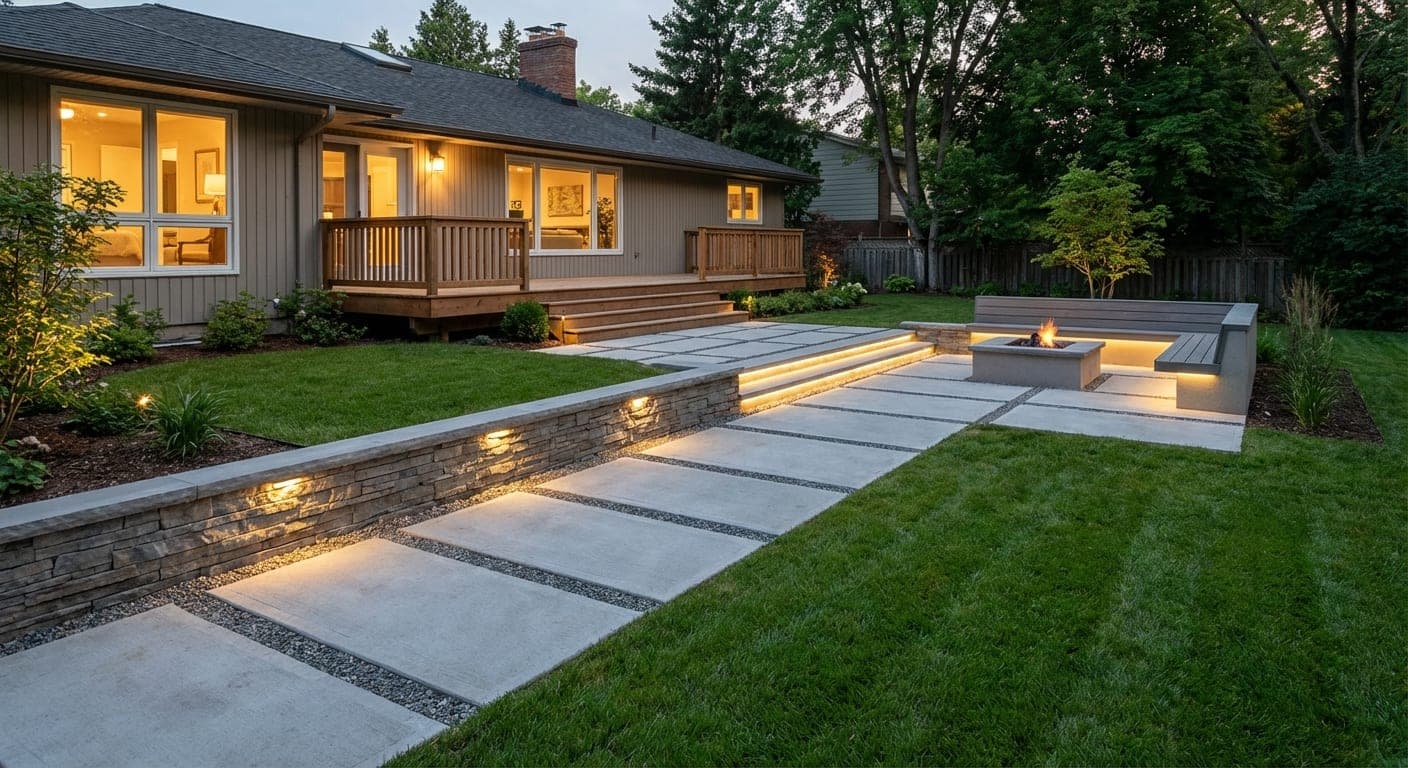
In the evolving world of outdoor living, hardscaping has transitioned from mere functionality to a critical design element, shaping the very essence of a landscape. For construction professionals and contractors, understanding and mastering modern hardscape design patterns isn't just about aesthetics; it's about delivering cutting-edge, durable, and highly desirable outdoor spaces that clients rave about. Modern hardscaping emphasizes clean lines, sophisticated materials, and a seamless integration with the natural environment, moving beyond traditional brick patios and stepping stones to create architectural extensions of the home itself.
The Evolution of Hardscape Design: What Defines Modern?
Modern hardscape design is characterized by a departure from ornate, curvilinear styles towards a more streamlined, purposeful aesthetic. Key principles include:
- Geometric Precision: Think straight lines, sharp angles, and rectangular or square forms that create a sense of order and sophistication.
- Materiality: A focus on natural, high-quality, and often contrasting materials like large-format concrete pavers, natural stone, composite decking, and metal accents.
- Minimalism: Less is often more. Designs aim for clarity and uncluttered spaces, allowing the materials and forms to speak for themselves.
- Integration: Hardscape elements are designed to flow seamlessly into the softscape and the existing architecture, blurring the lines between indoor and outdoor living.
- Functionality: Every element serves a purpose, whether it's defining a gathering space, directing traffic, or providing a visually appealing backdrop.
Popular Modern Hardscape Design Patterns and Techniques
To truly excel in modern hardscaping, contractors should be familiar with these prevalent patterns and installation techniques:
-
Large-Format Pavers:
This is arguably the hallmark of modern hardscape. Large format concrete or porcelain pavers (24x24 inches, 24x48 inches, or even larger) create expansive, clean surfaces with minimal joint lines. Their inherent size reduces visual clutter and provides a sense of grandeur. When installing, precision in base preparation and leveling is paramount to avoid wobbles and ensure tight, consistent jointing.
-
Linear and Stacked Bond Patterns:
For rectangular pavers, a simple linear (running bond) or stacked bond pattern emphasizes the clean lines inherent in modern design. The key is perfect alignment and consistent joint spacing. This pattern works beautifully for patios, walkways, and even driveways, giving a sophisticated, architectural feel.
-
Permeable Paving Systems:
Beyond aesthetics, modern hardscaping often incorporates sustainable solutions. Permeable pavers, whether interlocking concrete, grass pavers, or gravel grids, allow rainwater to infiltrate the ground, reducing runoff and supporting groundwater recharge. This is increasingly important for environmental compliance and adds significant value for eco-conscious clients.
-
Contrasting Textures and Colors:
Modern design often plays with contrast to create visual interest without adding complexity. This could involve combining smooth concrete with rough-hewn natural stone, or dark pavers with light gravel pathways. Introducing elements like smooth finished concrete with textured wood-look porcelain planks can create dynamic yet harmonious spaces.
-
Integrated Gabion Structures:
Gabion baskets filled with stone offer a robust, textured, and contemporary alternative for retaining walls, seating, or even decorative features. They provide excellent drainage and can be a cost-effective solution, lending an industrial-chic aesthetic.
-
Seamless Edging and Transitions:
Modern hardscape avoids abrupt transitions. Instead, focus on clean, unobtrusive edging that blends rather than stands out. This might involve flush edging with adjacent lawn or planting beds, or creating level changes with well-defined steps crafted from the same materials as the primary hardscape.
Practical Advice for Contractors
- Master the Base: Precision in modern hardscape begins from the ground up. A perfectly graded, compacted, and stable base is non-negotiable for achieving the tight tolerances and flat surfaces expected.
- Invest in Tools: Laser levels, high-quality paver saws, and compaction equipment are essential for achieving the crisp lines and level surfaces that define modern work.
- Material Knowledge is Power: Understand the properties, installation requirements, and maintenance needs of various modern materials (porcelain, large-format concrete, natural stone, composite wood, etc.). This allows you to advise clients effectively and ensure long-lasting results.
- Jointing Matters: With minimal joint lines being a feature, the quality of your jointing material (e.g., polymeric sand, epoxy grout for porcelain) and application technique becomes critical for both aesthetics and durability.
- Collaborate with Designers: Many modern hardscape projects originate from landscape architects or designers. Building strong relationships and understanding their vision will lead to smoother projects and repeat business.
Embracing modern hardscape design patterns allows contractors to elevate their craft and offer clients sophisticated, durable, and highly personalized outdoor environments. By focusing on precision, quality materials, and innovative techniques, you can position your business at the forefront of contemporary landscape construction.