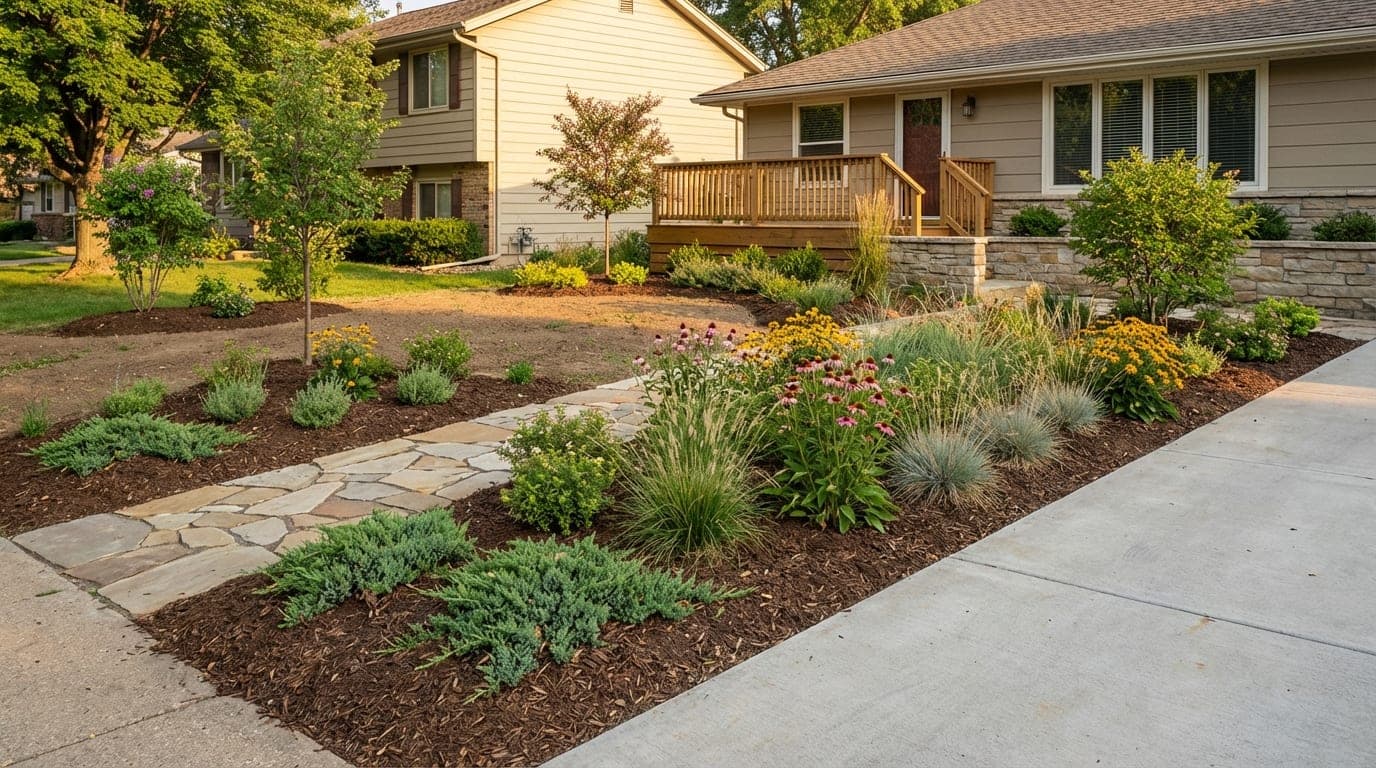
Mastering Low-Maintenance Landscapes: The Contractor's Guide to Native Plant Selection
In the competitive world of construction and contracting, efficiency, durability, and client satisfaction are paramount. When it comes to landscape design, the demand for aesthetically pleasing yet low-maintenance solutions is higher than ever. Clients want beautiful outdoor spaces without the endless chore of upkeep. This is where the strategic selection of native plants becomes a powerful tool in your contracting arsenal, offering a sustainable, cost-effective, and surprisingly easy-to-manage alternative to traditional landscaping.
For contractors, integrating native plant selection into your landscape offerings isn't just about being "green"; it's about smart business. By understanding and utilizing plants indigenous to your project's region, you can deliver landscapes that virtually take care of themselves, minimizing callbacks, reducing material costs, and enhancing your reputation as a forward-thinking, value-driven builder.
The Untapped Potential: Why Native Plants Are a Contractor's Best Friend
Imagine landscapes that thrive with minimal intervention, requiring less water, fewer chemicals, and significantly less labor. This isn't a pipe dream; it's the reality with native plant selections. Here's why they should be a cornerstone of your low-maintenance landscape proposals:
- Reduced Water Usage: Native plants are adapted to local rainfall patterns, often requiring little to no supplemental irrigation once established. This translates to significant water bill savings for your clients and fewer worries about drought stress.
- Minimal Pest and Disease Issues: Having evolved alongside local insects and pathogens, native species possess natural resistances, drastically reducing the need for costly and environmentally harmful pesticides and fungicides.
- Fertilizer-Free Zones: Accustomed to local soil conditions, native plants rarely need additional fertilizers, saving money and preventing nutrient runoff.
- Less Mowing, Pruning, and Weeding: Many native grasses and wildflowers require infrequent mowing or pruning. Their robust growth can also outcompete many common weeds, further reducing maintenance hours.
- Enhanced Biodiversity: Native landscapes support local wildlife, including pollinators and birds, adding an attractive ecological selling point that resonates with many clients.
- Long-Term Resilience and Beauty: These plants are built to last in their natural environment, offering a robust and enduring landscape that retains its beauty season after season with minimal input.
Strategic Selection: A Contractor's Approach to Native Plants
Just like constructing a building, a successful native landscape begins with a solid foundation of planning and appropriate material selection. Here’s a practical guide to choosing the right native plants for low-maintenance results:
1. Know Your Zone and Local Ecosystem
Understanding your specific USDA plant hardiness zone and, more importantly, your local ecoregion (e.g., coastal plains, piedmont, mountains) is the first step. Different regions have unique soil types, rainfall, and temperature ranges. Partner with local native plant nurseries, extension offices, or landscape architects specializing in natives for expert advice specific to your project site.
2. Site Assessment is Non-Negotiable
Before selecting a single plant, conduct a thorough site analysis, just as you would for any construction project:
- Sun Exposure: Map out areas of full sun (6+ hours), partial sun (3-6 hours), and full shade (<3 hours).
- Soil Type: Determine if the soil is sandy, loamy, clay-heavy, or rocky. Test pH levels if possible.
- Drainage: Observe how water drains (or pools) after a rain event. Some natives prefer wet feet, others dry.
- Existing Vegetation: Note any healthy native plants already thriving on-site – they're your best indicators.
3. The Right Plant, The Right Place
Match plant needs precisely to your site conditions. Do not force a sun-loving plant into shade or a moisture-loving plant into dry, sandy soil. This is the single most important rule for low-maintenance success. Research the mature size of each plant to avoid future overcrowding and the need for excessive pruning.
4. Think in Layers and Texture
A resilient and visually appealing native landscape incorporates multiple layers, mimicking natural ecosystems:
- Canopy: Native trees provide shade and structure.
- Understory: Smaller native trees or large shrubs.
- Shrub Layer: Diverse native shrubs for structure and wildlife.
- Perennial Layer: Native wildflowers and grasses for color and texture.
- Groundcover: Low-growing natives to suppress weeds and retain soil moisture.
5. Prioritize Diversity
Avoid monocultures. A diverse selection of native plants enhances ecological resilience and provides continuous visual interest throughout the seasons. Choose plants with varying bloom times, foliage textures, and heights.
Integrating Native Plant Landscapes into Your Business
By proactively incorporating native plant recommendations into your landscape proposals, you position your company as a leader in sustainable, low-maintenance solutions. Educate your clients on the long-term benefits – not just cost savings, but also the increased curb appeal and ecological value. This forward-thinking approach can differentiate your services, attract environmentally conscious clients, and ultimately contribute to a more resilient built environment.
Embracing native plant selection isn't just a trend; it's a fundamental shift towards more intelligent, efficient, and sustainable landscaping practices. For contractors, it represents a clear path to delivering superior value, minimizing ongoing maintenance, and building landscapes that truly stand the test of time.