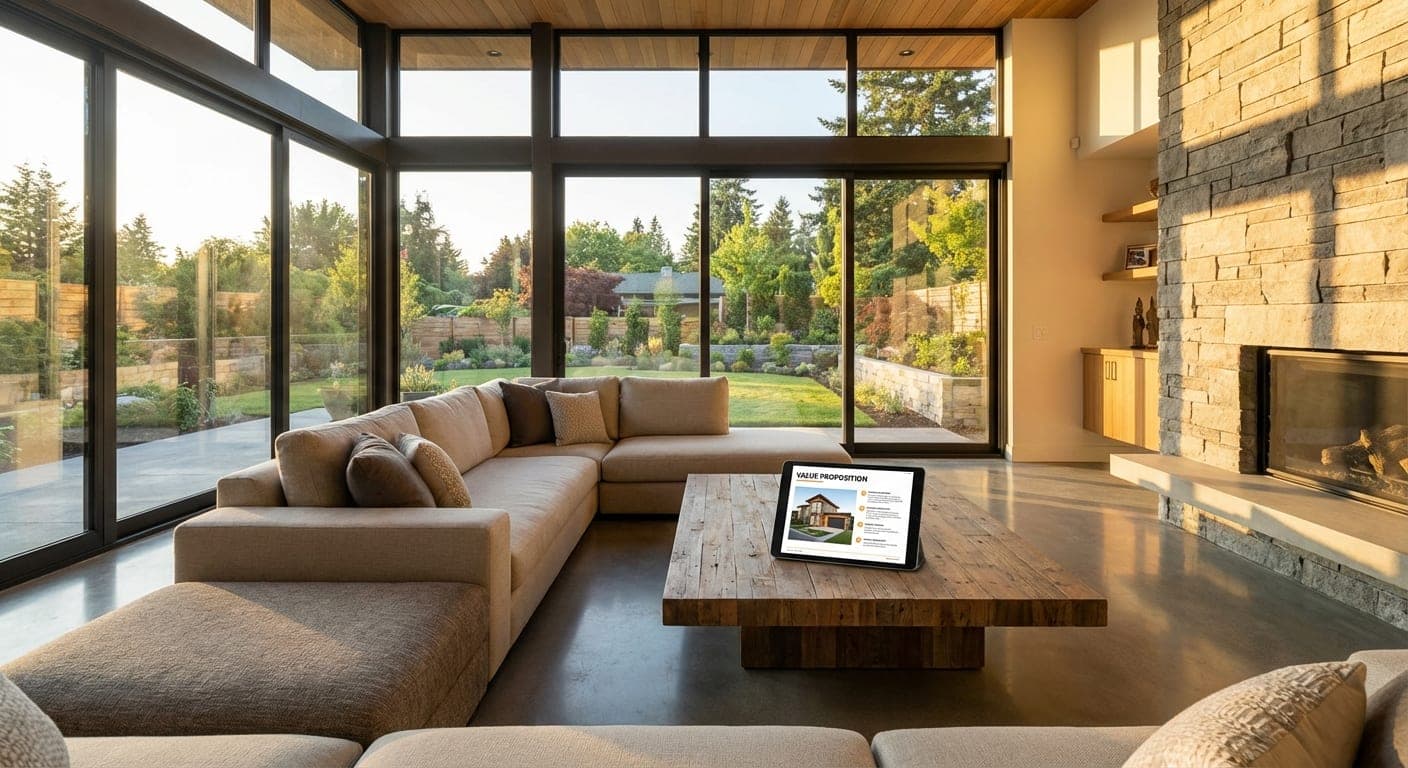
In the competitive world of construction and contracting, few phrases are as common – or as frustrating – as "That's more than I expected." Price objections are a persistent hurdle, often stemming not from an unwillingness to pay, but from a fundamental lack of understanding regarding the true value, scope, and quality you bring to a project. This isn't a call to cut your margins; it's a strategic imperative to elevate your communication. In the arsenal of sales strategies, few tools are as potent and persuasive in communicating value as compelling visuals.
Why Visuals Work to Overcome Price Objections
The human brain processes visual information dramatically faster and more effectively than text. When a client voices a price objection, they're often grappling with an abstract concept – a dollar figure attached to an unseen future. Visuals cut through this abstraction, offering clarity and tangible understanding:
- Bridge the Knowledge Gap: Clients aren't industry experts. They don't inherently understand the complexities of a foundation, the nuances of material choices, or the intricate dance of project management. Visuals simplify these complex elements, making your value proposition immediately apparent and easier to justify.
- Evoke Emotion and Desire: People buy outcomes, not just services. A photograph of a beautifully completed kitchen or a 3D rendering of a future office space taps into their aspirations, helping them envision themselves in that transformed environment. This emotional connection often overrides purely cost-driven concerns.
- Demonstrate Professionalism & Quality: A detailed visual presentation, whether a slick 3D model or a well-curated project portfolio, immediately elevates your company's image. It signals attention to detail, foresight, and a commitment to excellence, thereby justifying a premium price point.
- Build Confidence and Trust: When a client can clearly see what they're investing in – the quality of materials, the precision of design, the efficiency of the process – their confidence in your ability to deliver increases. Trust is a powerful antidote to price sensitivity.
Types of Visuals to Employ in Your Sales Strategy
To effectively combat price objections and showcase your value, diversify your visual toolkit:
- 3D Renderings and CAD Models: These are game-changers for new builds or major renovations. They bring blueprints to life, allowing clients to virtually walk through their future space, make decisions, and truly grasp the end product. This proactive visualization eliminates costly misunderstandings and showcases your modern approach.
- Before & After Photos: Nothing tells a story of transformation quite like a compelling 'before' and 'after' sequence. Showcase your ability to tackle challenges and deliver stunning results. High-quality images of past projects are invaluable social proof.
- Detailed Project Timelines/Gantt Charts: Demystify the construction process. A visually clean timeline demonstrates your organizational prowess, outlines key milestones, and justifies the duration and planning involved, directly linking time to cost.
- Material Samples & Mood Boards: For interior-focused projects, tactile samples (tile, flooring, paint swatches) combined with digital mood boards (showing textures, colors, and design themes) allow clients to physically connect with the proposed quality and aesthetic, solidifying their investment in premium choices.
- Custom Infographics & Cost Breakdowns: Instead of a dry spreadsheet, use visually engaging infographics to explain where the budget is allocated. Break down costs by phase, material, or labor to show transparency and justify each line item. Highlight any value engineering you've already considered.
- Video Testimonials & Site Tours: A short, well-produced video testimonial from a satisfied client or a quick video tour of a completed project adds authenticity and a powerful human element. Seeing and hearing real clients praise your work is incredibly persuasive.
Integrating Visuals into Your Sales Process (Practical Advice)
Visuals aren't just for the final presentation; they should be woven throughout your client interactions:
- Early Engagement: Use conceptual visuals even during initial meetings. A rough sketch, a mood board, or an example photo can quickly grasp a client's vision and build early excitement, shifting focus from cost to potential.
- During Proposal Presentations: This is where visuals truly shine. Don't just hand over a document; walk them through it, using your visuals as talking points. Explain how each visual element relates to their goals and justifies the investment.
- Follow-Up Communications: After a meeting, send a concise email reiterating key proposal points, accompanied by 1-2 powerful visuals. This reinforces your message and keeps the desired outcome top-of-mind.
- Personalization is Key: Generic visuals are less impactful. Tailor your visuals to the specific client's project, preferences, and pain points. Show them their dream, not just a dream.
- Invest in the Right Tools: This might mean subscribing to CAD software, investing in professional photography equipment, or even hiring a freelance graphic designer for complex infographics. The investment often pays for itself in higher close rates and better project margins.
Clear Takeaways for Contractors
- Visuals Bridge the Value Gap: They translate abstract costs into tangible benefits and desirable outcomes.
- Elevate Your Professionalism: A visually rich presentation positions you as a modern, detail-oriented, and trustworthy contractor.
- Simplify Complexity: Break down intricate construction processes and material choices into easily digestible information.
- Drive Emotional Connection: Help clients envision their future, fostering desire that transcends mere cost.
- Invest in Visual Assets: Treat visual communication as a core and ongoing part of your sales strategy.
In an industry where 'lowest bid' can often overshadow 'best value,' empowering your sales team with compelling visuals is no longer an option – it's a competitive necessity. Don't let price be the only point of negotiation. By strategically deploying visuals, you transform a potential objection into a powerful opportunity to showcase your unparalleled expertise, quality, and the lasting value you bring to every project. Start seeing your proposals not just as estimates, but as visual journeys to a successful partnership.