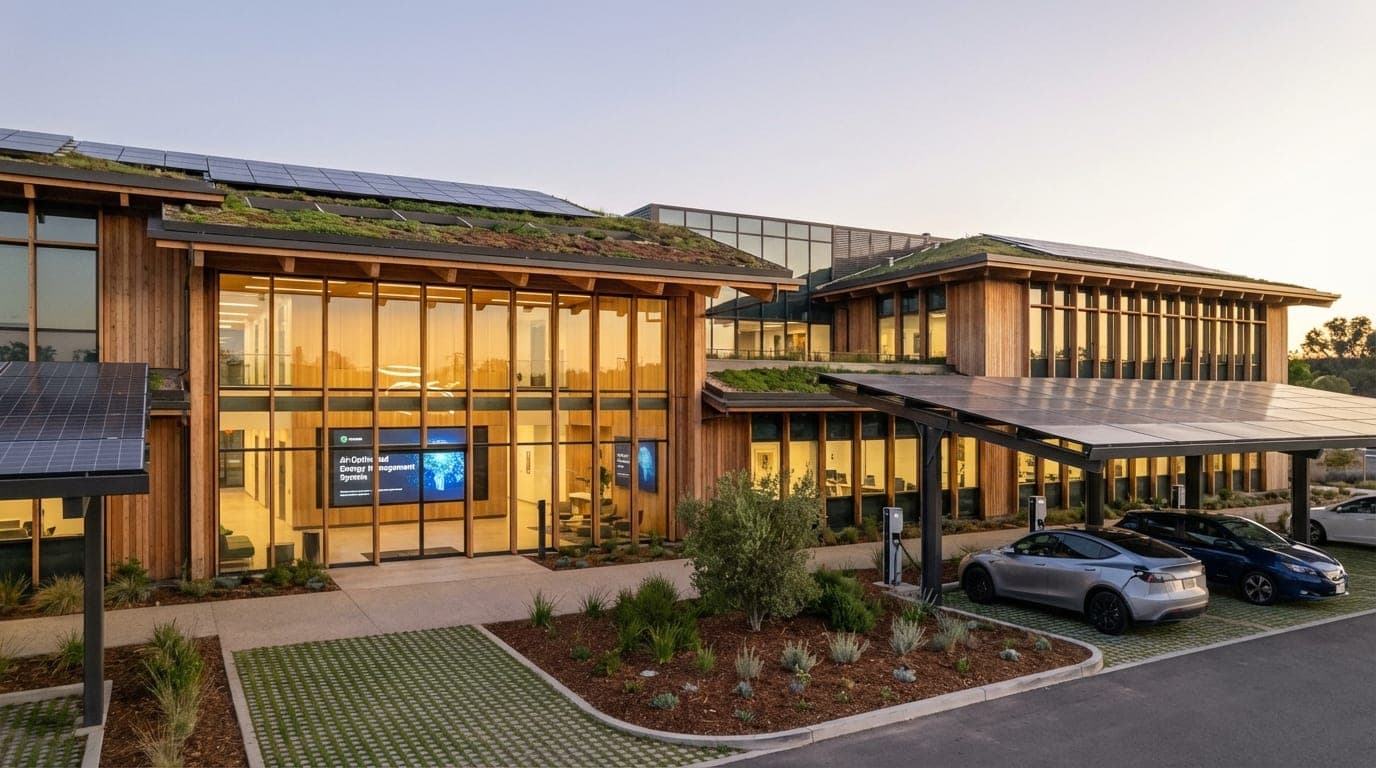
Building a Greener Future: Sustainable Practices for the Modern Contractor
The construction industry stands at a critical juncture. As environmental concerns escalate and regulations tighten, sustainable building practices are no longer a niche aspiration but a fundamental requirement for forward-thinking contractors. Embracing sustainability isn't just about compliance; it's about future-proofing your business, enhancing your reputation, attracting discerning clients, and ultimately, delivering better, more resilient projects. For the modern contractor, integrating sustainable methods is a powerful competitive advantage.
Defining Sustainable Construction: Beyond "Green"
Sustainable construction encompasses a holistic approach to building that minimizes environmental impact, optimizes resource efficiency, and improves human health throughout a building's entire lifecycle – from site selection and design to construction, operation, maintenance, renovation, and demolition. It's about creating structures that are both economically viable and ecologically responsible.
Pillars of Sustainable Building Practices
Implementing sustainable practices requires a multi-faceted approach. Here are the core areas where contractors can make a significant impact:
- Energy Efficiency: This is often the most visible aspect. It involves designing and constructing buildings that require less energy for heating, cooling, lighting, and ventilation. This includes superior insulation, high-performance windows, efficient HVAC systems, and renewable energy sources like solar panels.
- Water Conservation: Minimizing water usage both during construction and throughout the building's operational life. Strategies include rainwater harvesting, greywater recycling systems, low-flow fixtures, water-efficient landscaping, and smart irrigation.
- Material Selection: Choosing materials with low embodied energy, that are recycled or recyclable, locally sourced, rapidly renewable, non-toxic (low VOCs), and highly durable. This reduces the environmental footprint associated with manufacturing, transportation, and disposal.
- Waste Reduction & Management: Implementing robust waste management plans to divert construction and demolition debris from landfills. This includes practices like source reduction, reuse of materials, recycling on-site, and designing for deconstruction to facilitate future material recovery.
- Site Impact Minimization: Protecting natural habitats, minimizing soil erosion, managing stormwater runoff, and reducing light pollution during the construction phase. It also involves promoting biodiversity and restoring natural landscapes where possible.
The AI Advantage: Revolutionizing Sustainable Construction
The rapid advancement of Artificial Intelligence (AI) technology is proving to be a game-changer in accelerating the adoption and effectiveness of sustainable building practices. AI offers unprecedented capabilities for optimization, prediction, and automation across the construction lifecycle.
- Optimized Design & Planning: AI-powered tools can analyze vast datasets to optimize building designs for energy efficiency, material use, and site placement. Generative design algorithms can explore thousands of sustainable layouts, material combinations, and energy models in minutes, far beyond human capacity. This can identify the most energy-efficient facade, the optimal daylighting strategy, or the material palette with the lowest embodied carbon.
- Predictive Analytics for Resource Management: AI can predict material demand more accurately, minimizing over-ordering and waste. During operation, AI-driven building management systems learn occupants' patterns and external conditions to dynamically adjust HVAC, lighting, and other systems, drastically reducing energy consumption and carbon emissions.
- Enhanced Supply Chain Transparency: AI algorithms can track and verify the sustainability credentials of materials and suppliers, ensuring ethical sourcing, fair labor practices, and reduced embodied carbon throughout the supply chain. This helps contractors confidently choose truly sustainable options.
- Waste Stream Optimization: AI vision systems on construction sites can identify and sort waste materials more efficiently for recycling or reuse, minimizing landfill contributions. AI can also analyze construction processes to pinpoint activities that generate excessive waste, allowing for process improvements.
- Smart Site Management & Robotics: AI-powered drones and sensors monitor site conditions, manage water runoff, and optimize equipment usage to reduce fuel consumption and emissions. Construction robots, guided by AI, can perform tasks with greater precision, reducing material waste and improving installation quality, which contributes to long-term building performance.
Practical Steps for Contractors to Embrace Sustainability
Integrating sustainable practices doesn't require an overnight overhaul. Start with these actionable steps:
- Educate Your Team: Invest in training for project managers, supervisors, and tradespeople on sustainable techniques and technologies.
- Integrate Early: Bring sustainable goals and strategies into the project's design phase from day one. Early integration is key to maximizing impact and minimizing costs.
- Leverage Technology: Adopt Building Information Modeling (BIM) tools, energy modeling software, and explore AI-powered solutions to optimize design, predict performance, and manage resources.
- Prioritize Sustainable Materials: Develop relationships with suppliers offering certified sustainable, recycled, local, and low-VOC materials.
- Develop a Robust Waste Management Plan: Implement clear strategies for recycling, reuse, and waste diversion on every project.
- Measure and Track: Establish metrics to track energy consumption, water usage, waste diversion rates, and material provenance. This data is crucial for continuous improvement and demonstrating your commitment.
Embracing sustainable building practices, supercharged by AI technology, is not just an environmental imperative; it's a strategic business decision. Contractors who lead the charge in this evolution will be the ones who build the most resilient, efficient, and profitable projects of tomorrow.