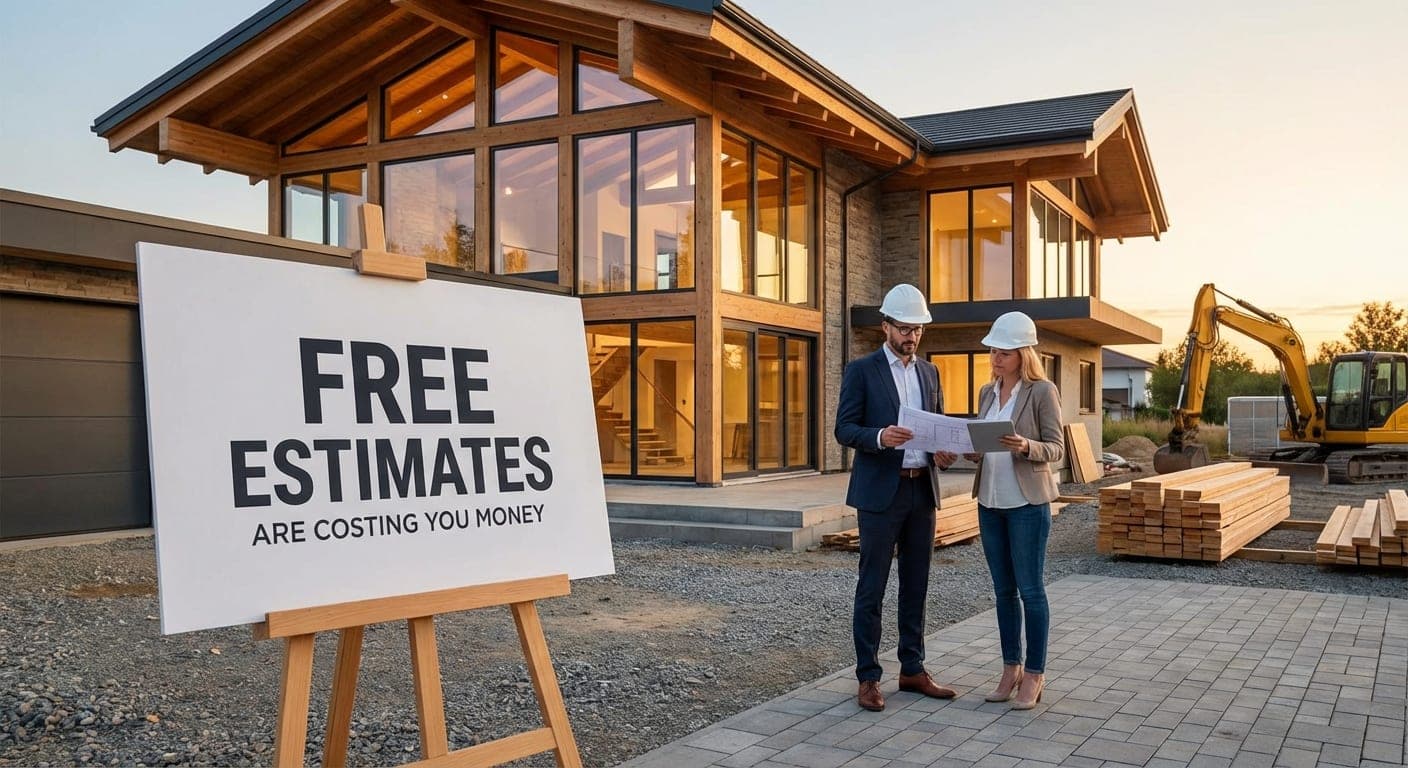
Ah, the "free estimate." It's a phrase as ubiquitous in our industry as hard hats and blueprints. On the surface, it sounds like a customer-friendly initiative, a no-risk way for potential clients to get a ballpark figure. But for contractors and construction businesses, that seemingly innocuous offer often masks hidden costs that chip away at profitability, productivity, and even your professional reputation. It's time to pull back the curtain and reveal why "free estimates" might actually be costing you money.
The Hidden Costs of Unqualified Leads
When you offer a free estimate, you open the floodgates to a wide range of inquiries. Some are serious buyers, ready to move forward. Many, however, are just "tire-kickers"—people with no immediate intent to buy, gathering information out of curiosity, or even using your free estimate to leverage a better deal from another contractor. Each "free estimate" takes time:
- Drive Time: Fuel, vehicle wear, and non-billable hours spent traveling to and from sites.
- On-Site Assessment: Your expertise, spent understanding the project, taking measurements, identifying potential challenges, and engaging with the client.
- Proposal Development: Back at the office, compiling detailed scopes of work, material costs, labor estimates, and preparing a professional bid.
Multiply this by dozens of free estimates for projects you never win, and you're looking at hundreds of hours and thousands of dollars in lost productivity and direct expenses. This isn't "marketing"; it's a drain on your resources.
Devaluing Your Expertise
Imagine a lawyer offering "free consultations" for every single inquiry, or an architect giving away detailed designs without charge. It's unthinkable in professional services because it fundamentally devalues their specialized knowledge and time. When we offer "free estimates," we inadvertently send a message:
- Your time isn't valuable: You're implying that the complex process of assessing a project and generating an accurate bid isn't worth payment.
- Your expertise is common: It suggests that anyone can do what you do, cheapening the years of experience, training, and problem-solving skills you bring to the table.
- It sets a precedent: Customers who get a free estimate might expect other aspects of your service to be discounted or complimentary.
This perception can make it harder to justify your pricing later on, positioning you as a commodity rather than a premium service provider.
Attracting the Wrong Clients
Clients who prioritize "free" above all else are often the same ones who will nickel-and-dime you on change orders, question every line item, and be difficult to work with. By attracting these price-sensitive clients, you create a race to the bottom, where the lowest bid often wins, regardless of quality or service. This isn't sustainable for a business focused on excellence and profitability.
Instead, you want clients who value quality, reliability, and expertise—clients who understand that professional services come at a fair price.
Practical Strategies for a Profitable Estimate Process
It's time to rethink your approach. Here’s how to transition away from the "free estimate" trap and implement a more profitable sales strategy:
- Offer "Discovery Calls" or "Initial Consultations": Instead of an on-site estimate, offer a free 15-30 minute phone or video call. This allows you to qualify leads, understand their needs, and determine if they're a good fit for your services without leaving your office.
- Charge for Detailed Bids/Proposals: For more complex projects that require significant time, engineering, or design input, offer a paid "Project Assessment" or "Feasibility Study." Position this as an investment for the client, providing them with a comprehensive understanding of their project, potential challenges, and accurate costs. You can even offer to credit this fee back if they sign a contract.
- Educate Your Clients: Explain why a thorough, accurate estimate takes time and expertise. Frame it as part of your commitment to transparency and avoiding hidden costs later.
- Focus on Value, Not Just Price: Shift the conversation from "how much" to "what value do you bring?" Highlight your experience, quality of work, reliability, safety record, and customer service.
- Implement a Minimum Project Size: Be clear about the types of projects you take on. This helps filter out small jobs that aren't profitable and allows you to focus on high-value work.
The Takeaway: Invest in Your Value
Your time and expertise are your most valuable assets. Treating them as such, and refusing to give them away for free, is not just about increasing your immediate profits—it's about elevating your brand, attracting better clients, and building a more sustainable and respected construction business. Stop letting "free estimates" cost you money and start investing in the true value of what you offer.